
You’re staring at the to-do list again.
You want to get moving. You know what needs to be done. But instead of taking action, it’s like you’re glued to the ground—watching time slip by with rising anxiety and shame.
Sound familiar?
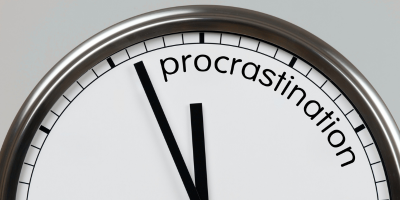
This is procrastination. And despite what we’ve been told, it’s not about laziness, lack of discipline, or poor time management.
It’s about internal resistance. And that resistance usually isn’t logical—it’s emotional. It’s unconscious.
So, What Is Procrastination?
Procrastination is the act of avoiding something—even when it’s important—usually by replacing it with lower-priority or feel-good tasks. It’s often confused with laziness, but the truth is, most procrastinators care deeply about the task they’re avoiding.
In fact, the deeper the importance…
the stronger the resistance.
“Procrastination is an emotion regulation problem, not a time management problem.”
— Dr. Tim Pychyl, Carleton University
Why Do We Feel Glued to the Ground?
Because something deeper is happening inside your nervous system and unconscious mind.
Your conscious mind says:
“This is important. Let’s go.”
But your unconscious mind says:
“Wait—this doesn’t feel safe.”
That “glued” feeling?
It’s not laziness. It’s your protective programming kicking in—trying to shield you from emotional discomfort, fear of failure, rejection, or not being good enough.
Where Do Procrastination Patterns Come From?
These patterns are usually formed early, in environments where:
- Achievement was tied to self-worth
- Mistakes led to shame or punishment
- Perfectionism was praised
- Emotional needs weren’t validated
- You were overwhelmed, unsupported, or afraid to disappoint
Your unconscious mind remembers.
So when you face a task that might lead to criticism, failure, or pressure—it activates an old protective pattern:
Avoid it. Freeze. Distract. Delay.
“We procrastinate not to avoid the work, but to avoid the emotions the work brings up.”
— Dr. Nicole LePera, How to Do the Work
Why Motivation Isn’t Enough for Chronic Procrastinators
Sure, some people just need a bit of motivation or a deadline to get moving.
But if you find yourself stuck again and again—beating yourself up, making promises, and still not following through—you’re not unmotivated. You’re unconsciously protecting yourself.
This is where willpower fails.
Because willpower works through the conscious mind…
But procrastination often lives in the unconscious mind.
That’s why the solution isn’t just more productivity hacks—it’s re-patterning the internal response to the task.
The Role of the Unconscious Mind
Your unconscious mind holds your beliefs about:
- What’s possible
- What’s safe
- What you’re allowed to have
- How much pressure you can tolerate
- What success might cost you
Until those patterns are updated, you’ll continue to resist the very things you say you want.
“The unconscious mind will always find a way to protect you, even if it sabotages you.”
— Marisa Peer
So… Can Procrastination Be Healed?
Yes. And more easily than you think—when you work with the right tools.
Healing procrastination isn’t about pushing harder. It’s about understanding why you’re resisting in the first place—and gently rewiring the beliefs or fears underneath it.
This can be done through:
- Hypnosis or unconscious reprogramming
- Inner child or parts work
- Somatic techniques to release nervous system freeze
- NLP or Time Line Therapy®, Creating Your Future®
The goal isn’t to force yourself into action—it’s to make action feel emotionally safe.
You’re Not Broken. You’re Protecting Yourself.
If you struggle with procrastination, especially on things you deeply care about—know this:
- You are not lazy.
- You are not undisciplined.
- You are not broken.
You are protecting an old part of you that was once overwhelmed, shamed, or unsupported. That part doesn’t need punishment. It needs safety and support to trust that it’s okay to move forward now.
Ready to Break the Cycle?
You don’t need more guilt—you need a new way forward.
Procrastination isn’t laziness; it’s resistance rooted in deeper patterns. It’s time to meet your mind where it’s stuck, release what’s holding you back, and rewire your drive from the inside out.
If you’re ready to shift, reach out for a call. Let’s talk about where you are—and where you’re meant to go.
References & Further Reading
- Solving the Procrastination Puzzle – Dr. Tim Pychyl
- How to Do the Work – Dr. Nicole LePera
- Rapid Transformational Therapy – Marisa Peer